Why Writers Shouldn’t Look at Goodreads Reviews (for very long)


One thing I didn’t know until I published my first book is that Goodreads, like Netgalley and Edelweiss, will post reviews prior to pub day; the idea is that the reviews will stir up interest. Conversely, Amazon publishes reviews on pub day and after.

Some authors feel Goodreads can be a decent bellwether of reviews to come. However, most writers will tell you not to read Goodreads reviews, mainly because they’re written for other readers, not for authors. They can be snarky. They can be meh or even nonsensical. They can be full of praise (“I loved it!”) and still give it 3 stars. 

I remember when my first book A Lady in the Smoke (2106) published, I read every Goodreads review carefully … until I came upon two, written consecutively. One said something along the lines of this:

“I loved all the historical detail! The information about railways and the Victorian medical profession was fascinating! The romance was a bit too heavy-handed, but the mystery was pretty good, with complications and a twist at the end I didn’t see coming.”

The next said, “I loved the romance and the mystery! Lady Elizabeth was so believable and sympathetic. The book got a bit bogged down by historical detail, especially about the railways, but I skimmed those parts.”

Goodreads (and other review sites) will show you again and again: reading is subjective. I’m living proof! The book everyone seems to ADORE right now — Theo of Golden — I DNF’d at page 100. Too sweet for me, too much saintliness, too episodic.

It’s important to remember this subjectivity exists beyond online reviews, as well. Some professionals in the book industry whom I admire and respect love my books. Some people in the book industry whom I admire and respect don’t love my books, and yes, it stings. But it doesn’t mean I shouldn’t be writing books. 

I have also learned from Goodreads reviews. A thoughtful review often alerts me to some aspect of my writing, and more than once, when a comment rings true, I’ve used feedback to shape my next book.

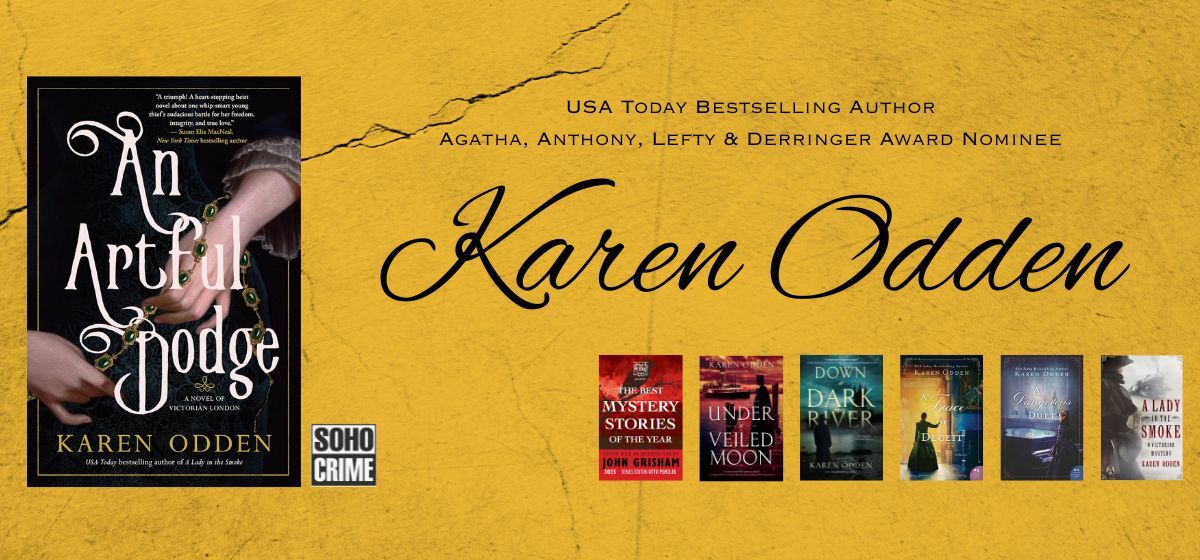
As for my recent reviews for An Artful Dodge? One review calls it “slow-paced” and “character driven”; another calls it “fast-paced historical fiction” with “well-rounded characters”; another says she felt like she couldn’t get into the characters at all because they weren’t developed enough. 

It’s a little batty, right?

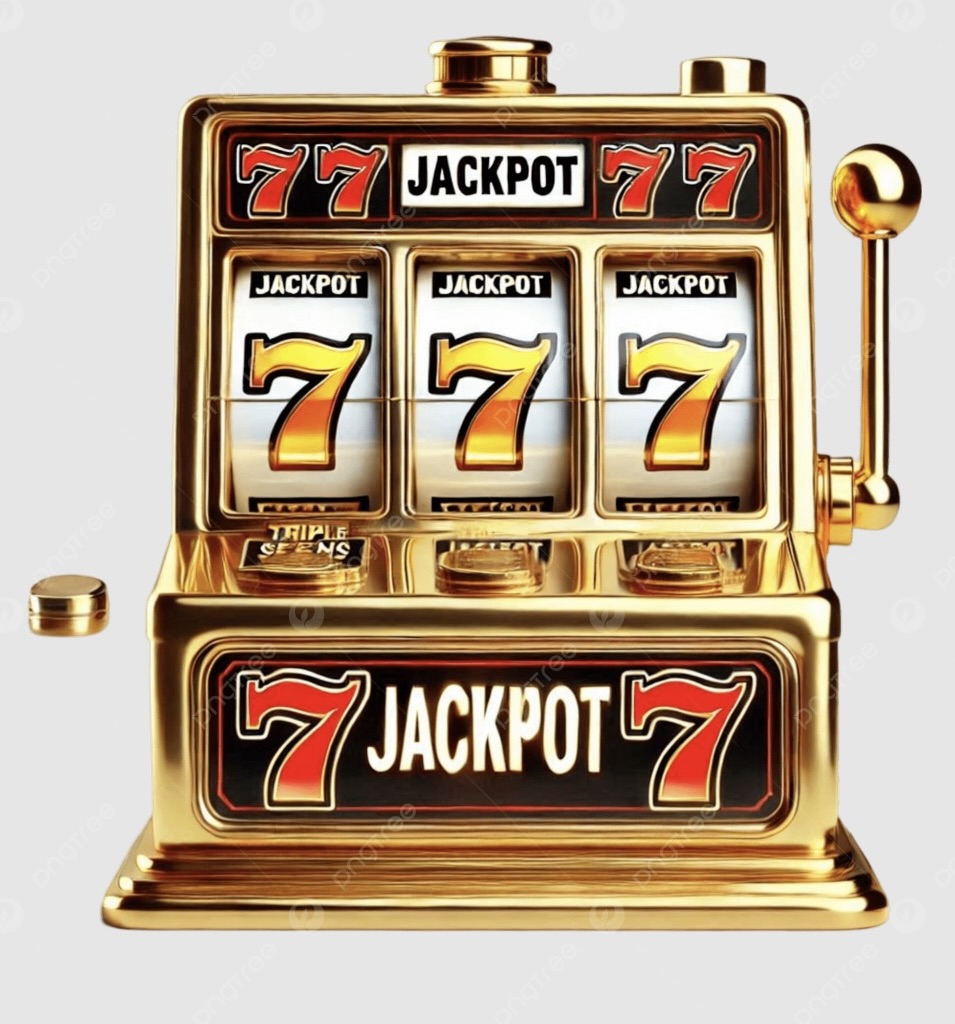
On the other hand, a review that begins “I adored this” or “I devoured this” or “Anna Burnett’s narrator is perfection!” is like a hit of adrenaline. It’s like getting 777 on the slot machine. But we all know that playing slots for long stretches is not healthy. It’s a losing game. At some point we should stop putting in our quarters. 

My advice (to myself as much as anyone!)? Print out two or three of the really good reviews to put on your bulletin board, and then stop looking. Write the next book. 
Two Birthdays: Baby & Book

Originally published at MURDER IS EVERYWHERE on Substack June 11, 2026

26 years ago yesterday, with much assistance, I brought my daughter Julia into the world. 9 days ago today, with much assistance, I brought my sixth book An Artful Dodge into the world.

Let’s just say, we are all grateful that the gestation periods were not the same. From first idea to publication, An Artful Dodge took over four years.

Aside from that, and the fact that both “baby” and “book” are four-letter words beginning with B, there are remarkable similarities between bringing a baby and a book into the world. They both take nurturing and time and patience; it takes a village of people offering advice and support and guidance. The last month before birthday and pub day can feel exhausting and exhilarating and nerve-wracking. Perhaps to different degrees, but still.

The lovely thing about this book, An Artful Dodge, is that my baby, when she was 21, was present for the moment this book idea appeared.

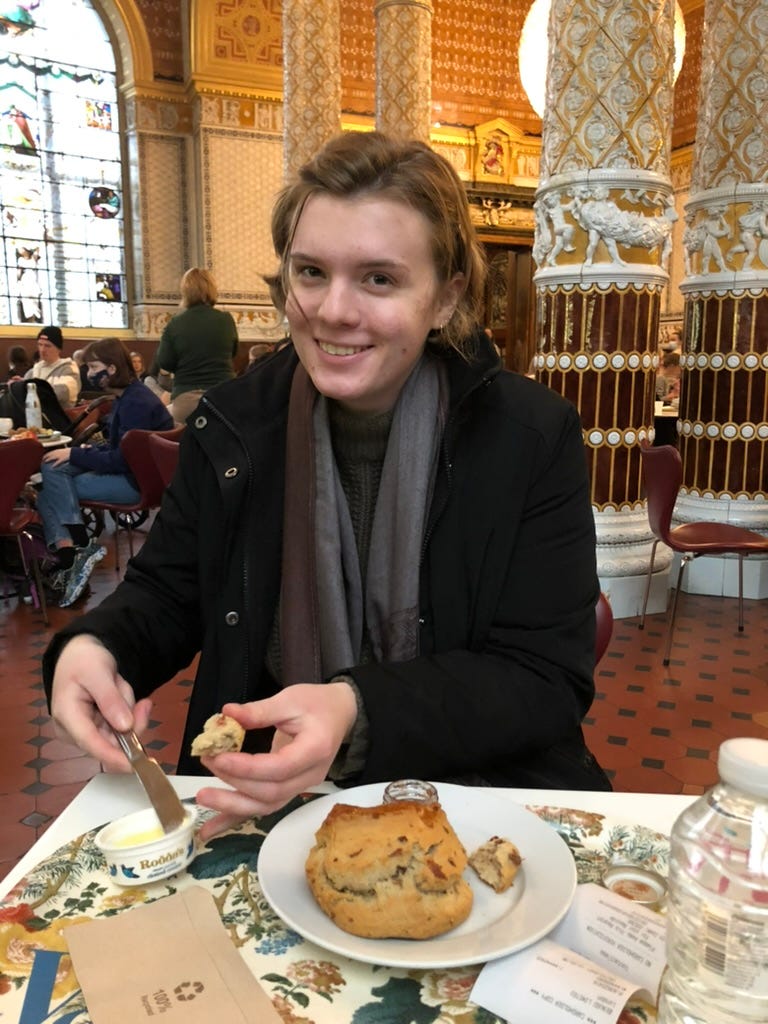
Julia had been doing a semester abroad at Oxford in fall 2021. You may remember, this was during a lull in the Covid pandemic. I rented a tiny flat in Notting Hill on VRBO, went over for a fortnight after she’d finished, and we bopped around London doing Mom/Daughter things. We both love long walks, museums, tea and scones the size of our heads, shopping, and discovering the unexpected. (This is Julia, in one of my favorite cafes, inside the Victoria and Albert museum.)

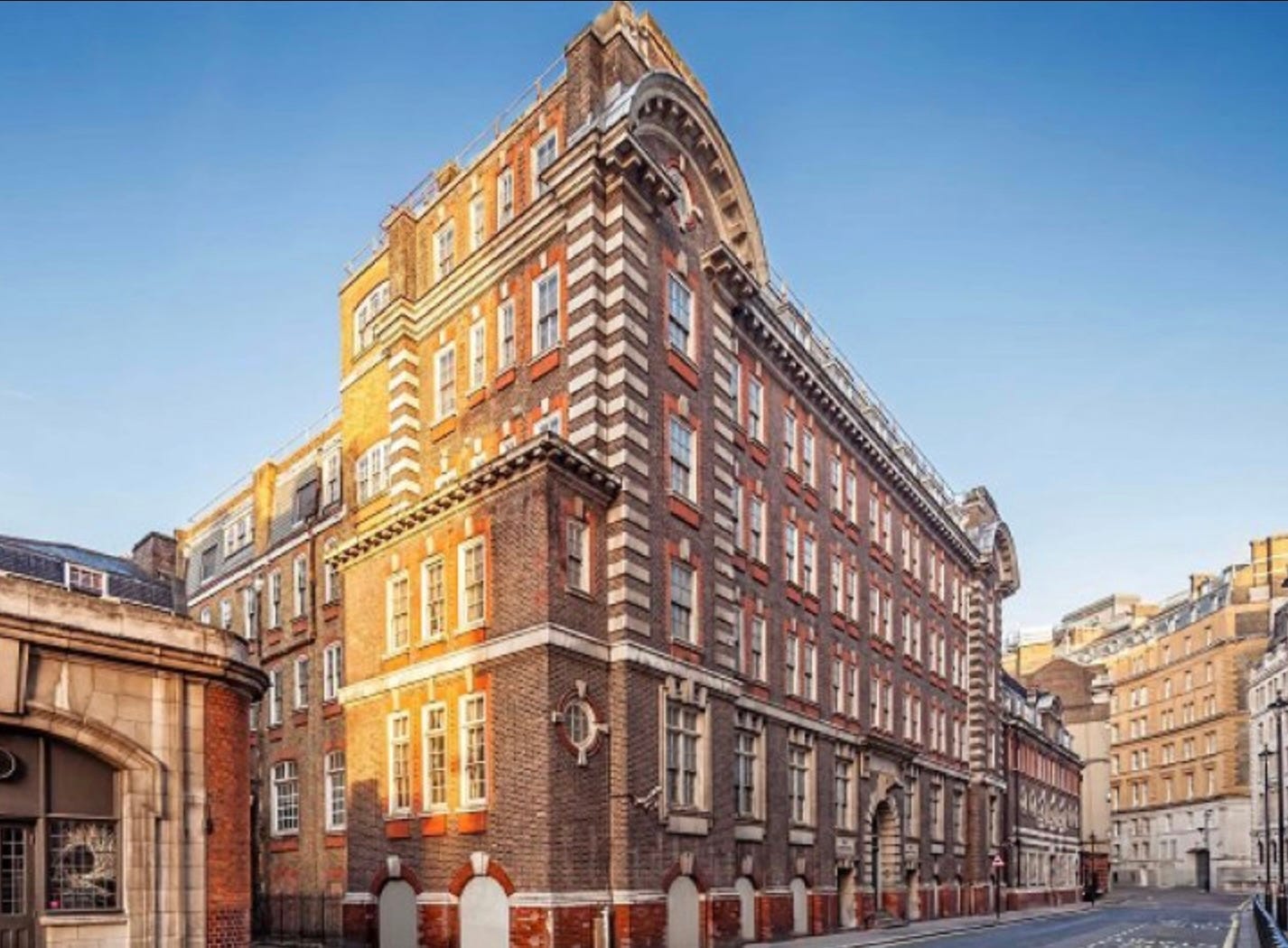
The December days were gray and umbrella-worthy and the nights were blustery and cold. One evening, we ducked into the Great Scotland Yard Hotel in Whitehall. It’s not far from Big Ben, and it’s built on the cobblestone yard that in the 1870s smelled of horse dung and served as the “back entrance” to 4 Whitehall Place, the official address of the plainclothes division—what we now call Scotland Yard, in shorthand. (This photograph of the hotel was taken in WAY nicer weather than we had.)

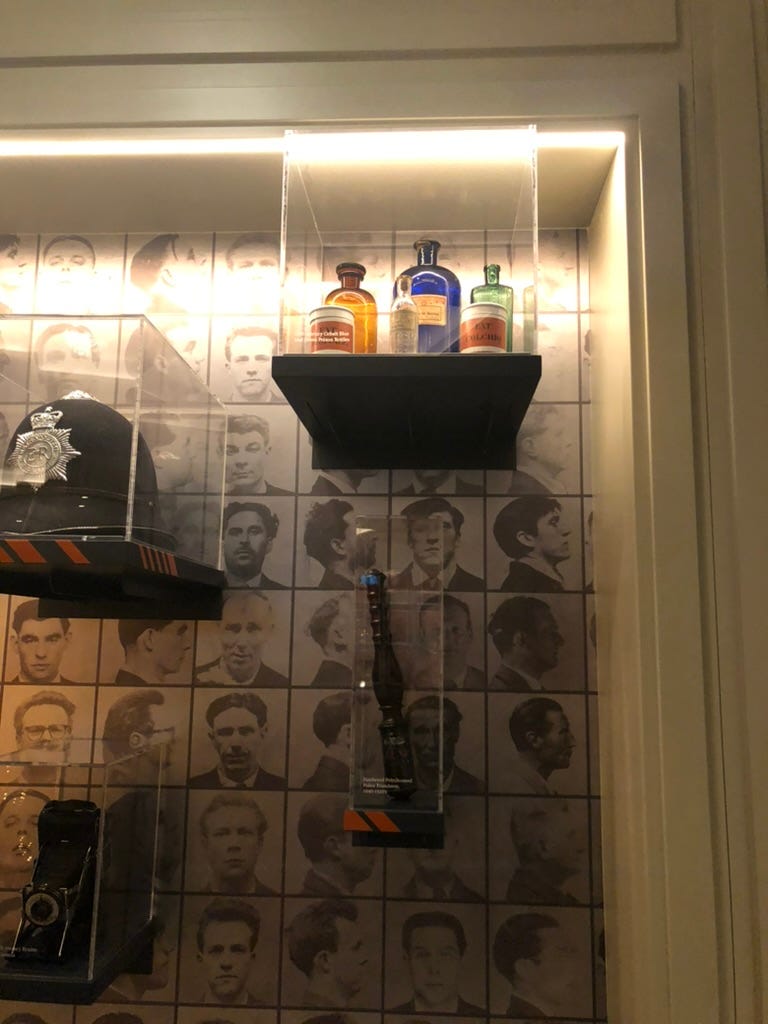
The Victorian-themed hotel was built in 2019 by LuLu Group International (an Abu Dhabi-based hospitality and investment group) and is run by Hyatt. When we entered, to my delight, in the foyer were glass cases filled with Victorian crime memorabilia! Mug shots, poison bottles, police helmets, truncheons, police whistles and rattles, judge’s wigs, and more! (Be still my nerdy little heart.)

After browsing this, Julia and I went to the formal restaurant to see if we could have dinner. They regretfully informed us they were “full up,” but we could go across the way to the bar called The Forty Elephants. We could get a drink and a bite to eat.

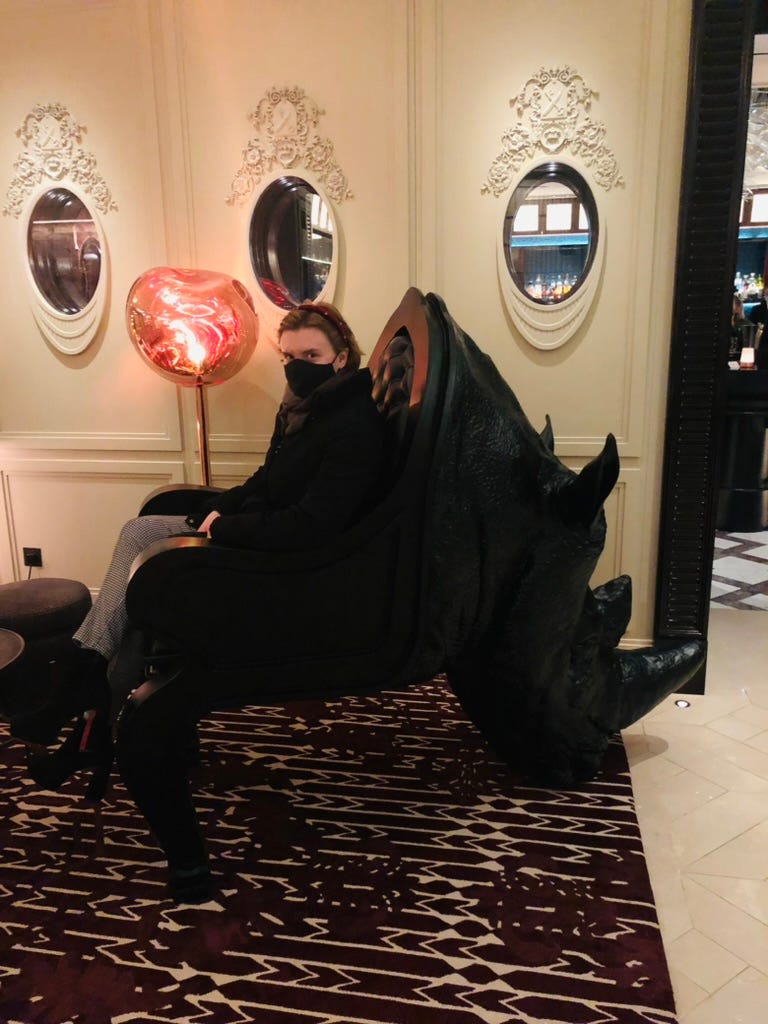
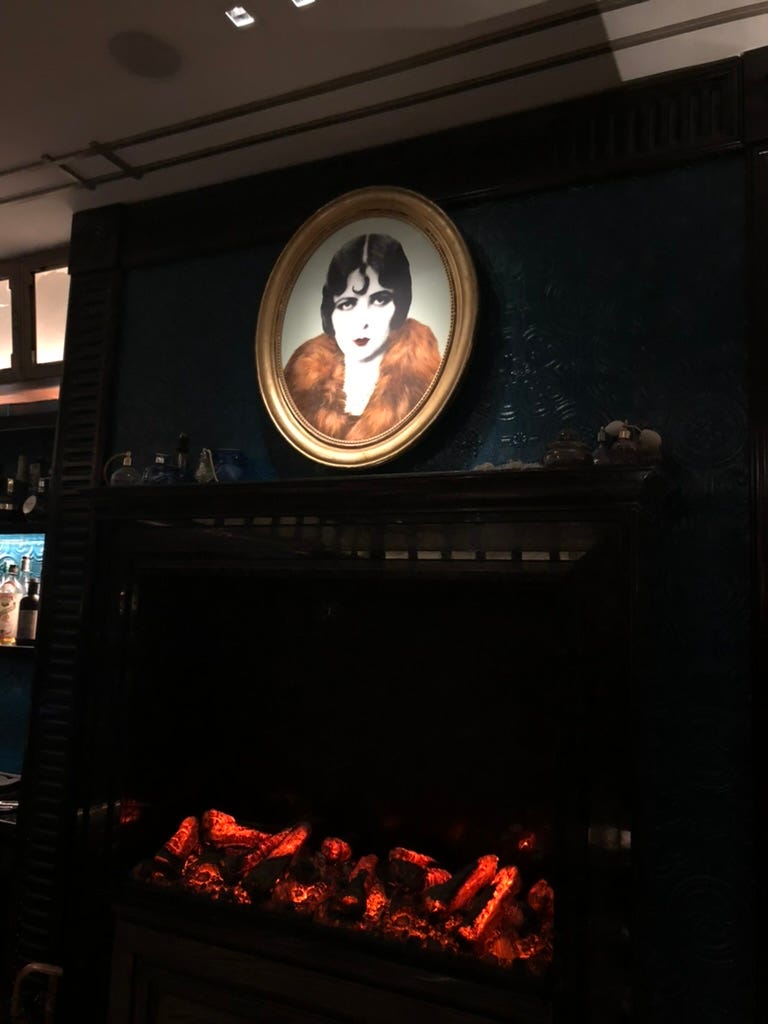
On our way across the hall—pausing to admire some very unique furniture, including this rhino-shaped chair—I puzzled over the bar’s name. With the hotel being Victorian-themed, I assumed it had something to do with India or Africa, those being the geographical homes of real, gray-skinned, floppy-eared elephants. Britain was expanding its empire into both India and Africa during the 1800s. So I was half-expecting hunting memorabilia on the walls, or perhaps Imperial art. But no. Instead, there was a portrait of a beautiful woman above the fireplace.

A QR code stuck to the table promised “More Information about the Forty Elephants.” Of course I clicked. I’m like Pavlov’s dog with those things.

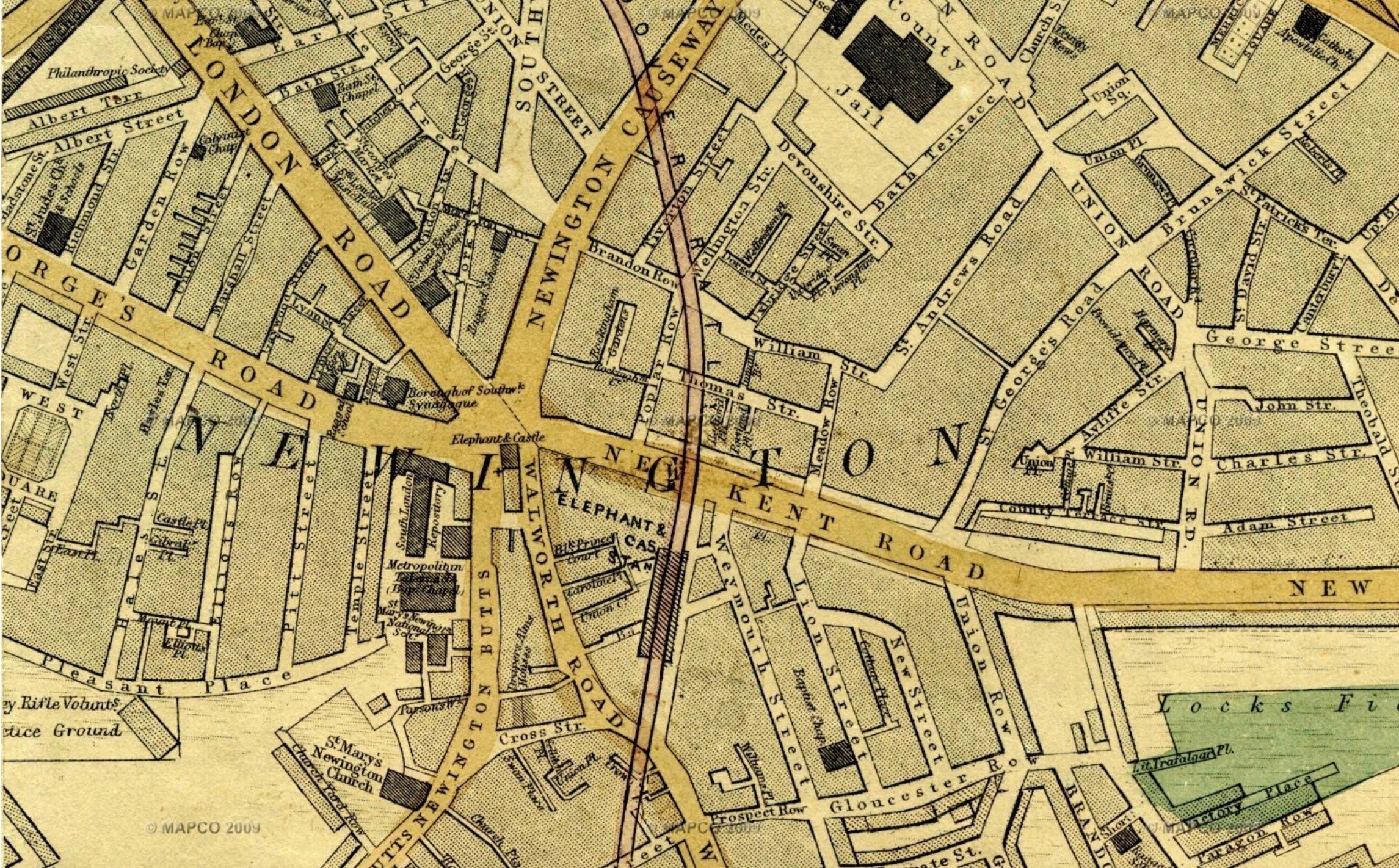
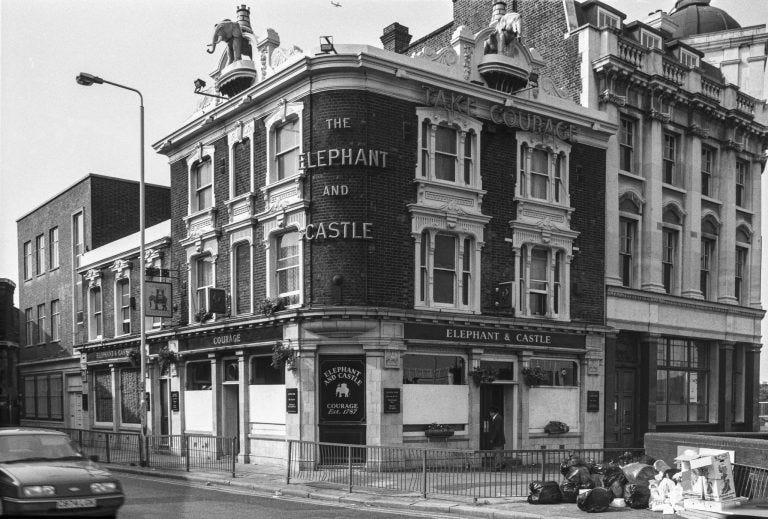
The Forty Elephants refers to an all-women thieving gang operating out of the seedy neighborhood of Elephant and Castle in Southwark (pronounced “South-ehk”) south of the Thames. From the early 1700s, a famous stagecoach inn was situated at the hub of six major roads coming in from Dover, Canterbury, and various parts of London.

The Elephant and Castle Inn was known for thieving, drugging (giving wine and laudanum to travelers, so they fell asleep by the fire and could be robbed), and dragging (the practice of clambering onto the back of a stagecoach, then cutting the ropes to pull luggage off the top) as the stagecoach rolled down the road.

When I finished reading about Elephant and Castle and the women thieves, I looked up.

Julia is smiling at me. “You’re thinking this is a book, aren’t you?”