For my panel at Bouchercon, in Calgary Canada, I was asked to speak on archival research. At first, I thought … hm, I haven’t done true archival research (think dusty newspaper stacks, in an old building an hour’s train ride from London, in rooms with dust motes and everyone around you sneezing) in twenty-five years, when I was writing my dissertation on Victorian railway disasters. Frankly, this isn’t accessible for most people. So this panel got me thinking about where and how I’ve done my best research. This post is probably most helpful to those who are writing in the 19th century in England — but the strategies are the same, I think, across many periods.
PRIMARY SOURCE: Museums
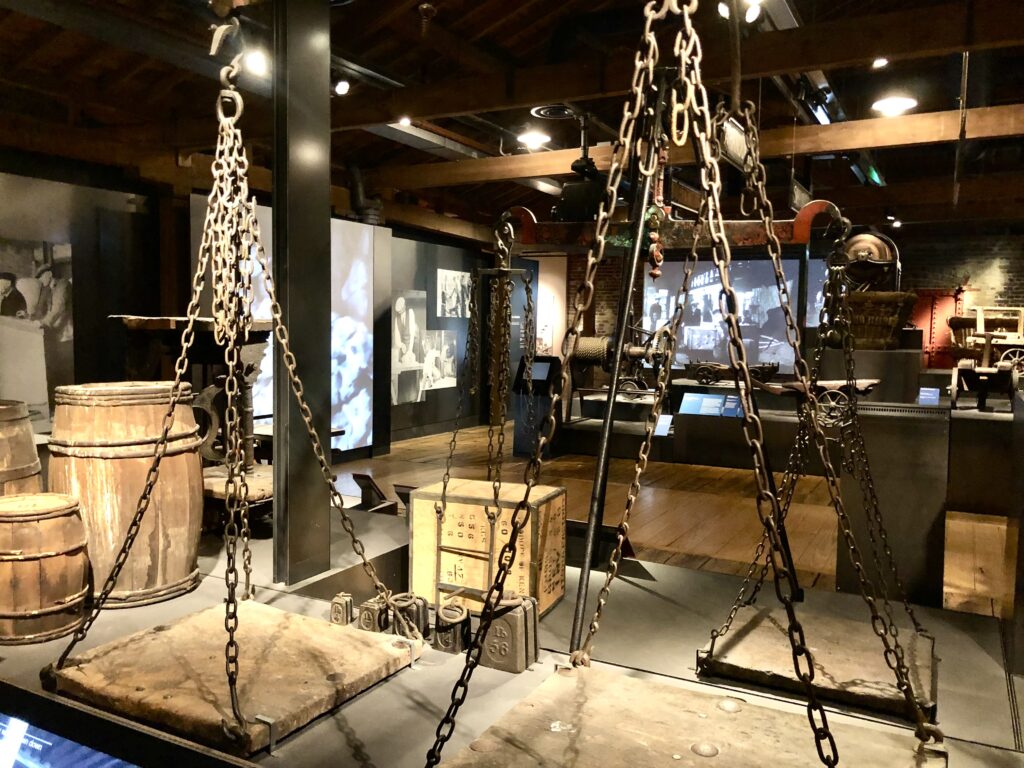
This is probably where I have found my best information. My personal favorite in London is the Victoria and Albert, crammed with goodies from the 1851 Great Exhibition and the 19th century, including Tippoo’s tiger, costumes, and household goods, followed by the London Docklands museum (photo above of the scales used in old warehouses). I spent hours there. What’s terrific is that many museums are now putting “teaser” photographs and information from their special exhibits and presentations online!
London Museum of the Docklands
Great Scotland Yard Hotel (for the crime memorabilia in the lobby! and the 40 Elephants bar)
Victoria & Albert Museum
British Library on Euston Road (application was required, back in the 1990s when I was there)
London Museum (new location opening soon)
London Transport Museum
The Imperial War Museum
Charles Dickens Museum: Located at 48 Doughty Street,
PRIMARY SOURCE: Places
The good thing about 1870s London is that a good deal of it is still standing. You can get your feet on the ground, walking Blackfriars Bridge to see the mudlarks, strolling along Fleet Street where all the newspaper offices were, walking into the Temple and St. Paul’s Cathedral, and combing the streets of Hatton Garden, the London jewelry district. These places, relics of the Victorian period, work like primary sources — objects from another time, with views and materiality. Two special places to visit:
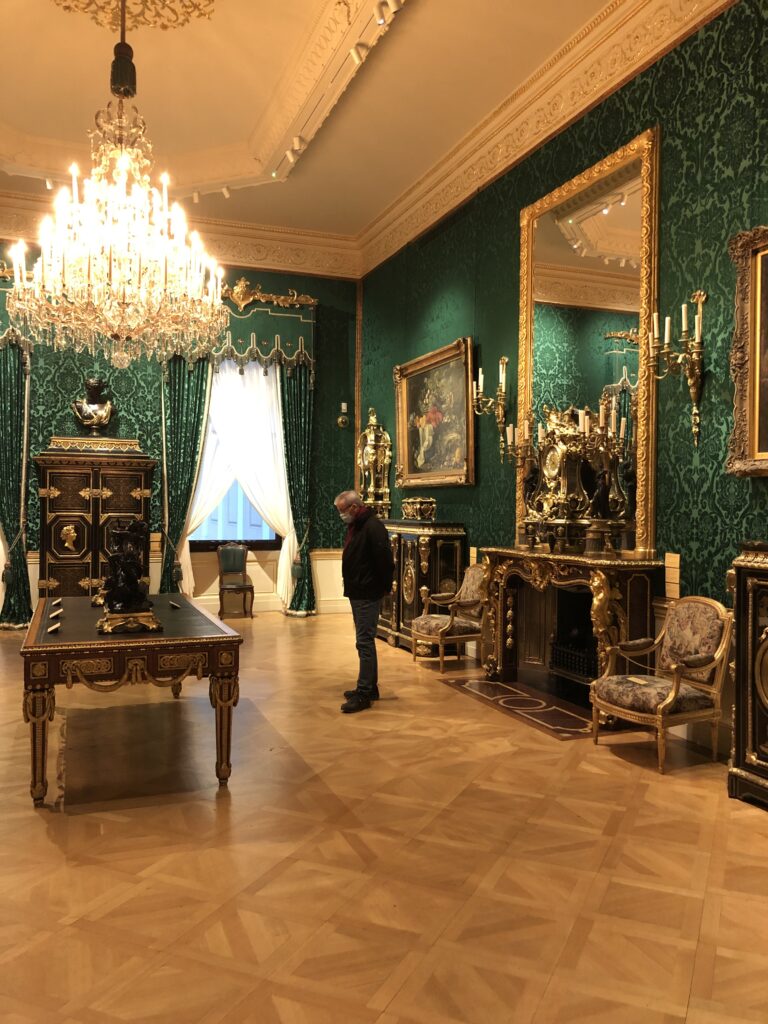
The Wallace Collection (above, especially valuable for scenes with opulent house settings, if you’re having your characters go to a ball, for example)
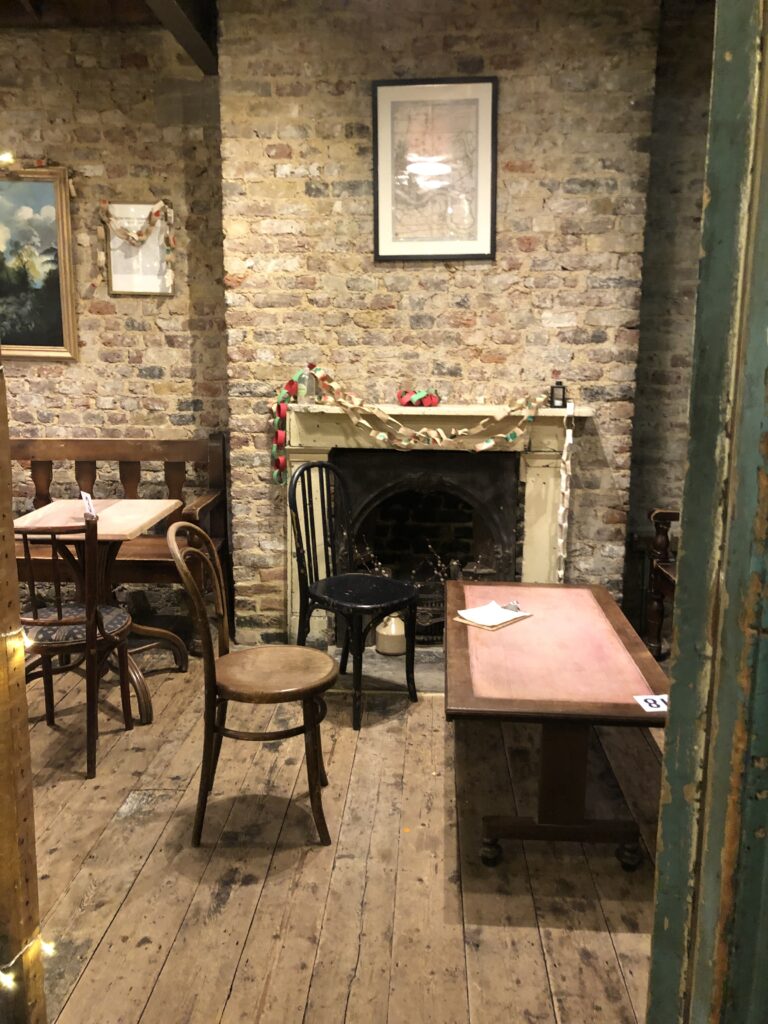
Wilton’s Music Hall (above, 1 Graces Alley), the last standing Victorian music hall. There were dozens of music halls and they were a huge part of Victorian entertainment culture, outside of the house, including the lower classes.
PRIMARY SOURCE: Books (fiction and non-fiction) written during the period
I read these out loud and I underline or highlight nouns, objects, and phrases in dialog that are particular to the period and place. Antimacassars, coal hods, pavement, and so on. The point isn’t to include all of them … but if these words are in my head, as the ordinary objects in a Victorian household, for example, they will organically work their way into my writing.
Wilkie Collins, The Law and the Lady (1875), The Moonstone (1868)
Anthony Trollope, The Way We Live Now (1875)
Mary Elizabeth Braddon
Anna Sewell, Black Beauty
George Eliot, Daniel Deronda and Middlemarch
Charles Darwin, Descent of Man
PRIMARY SOURCE: Newspapers and periodicals
British newspaper archive – which has been made free to the public (https://auth.britishnewspaperarchive.com/login?state=hKFo2SBQVDB6OXNDUENYaURUSWlIS3pQd2l5UmhiWmp5UTJSMqFupWxvZ2luo3RpZNkgMjZaLS1jV2hVT3puNkxuTWNuNWlnLWdkQm5sbEJ2RUijY2lk2SBpUjF5NFlOT3NRR3cwbGNUSXJGNzdVNmlzMlRGT0E4RQ&client=iR1y4YNOsQGw0lcTIrF77U6is2TFOA8E&protocol=oauth2&scope=openid%20email%20profile%20offline_access&response_type=code&redirect_uri=https%3A%2F%2Fwww.britishnewspaperarchive.com%2Fwhodis%2Fauth%2Fcomplete-login%2F®istrationRoute=19&initialScreen=signUp&countryCode=CA&mode=search-newspapers&noOfSearchResults=1685853&names=London&keywords=1880&sid=117&response_mode=query&audience=https%3A%2F%2Fwww.findmypast.com%2Fapi)
Some others:
(1) Newspaperarchive.com for UK, 1607-2013, which requires a subscription (about $12/month) and includes 824 newspaper publications
(2) National Archives (online)
(3) The London Archives, located about 30 minutes north of Blackfriars Bridge
PRIMARY SOURCE: Music and art of the period
SECONDARY SOURCES. These are invaluable. I have three shelves with books that I consult regularly. Here are 12 of my favorites. I have about 30 other books I use regularly — and if you are looking for a book on a specific topic, please write to me.
The Ascent of the Detective: Police Sleuths in Victorian and Edwardian England by Haia Shpayer-Makov
Handbook of English Costume in the Nineteenth Century by C. Willett & Phillis Cunnington (excellent reference because it shows changes in both men’s and women’s clothing per decade)
Thames by Peter Ackroyd (the best book about the river and its tributaries and history that I’ve found)
These books by Judith Flanders:
Inside the Victorian Home: A Portrait of Domestic Life in Victorian England
Consuming Passions: Leisure and Pleasure in Victorian Britain
The Invention of Murder: How the Victorians Revelled in Death and Detection and Created Modern Crime,
The Victorian City: Everyday Life in Dickens’ London, Atlantic Books
London’s Docklands Illustrated Paperback
The Victorian Country House by Mark Girouard
The Victorian Music Hall: Culture, Class and Conflict by Dagmar Kift
A Dictionary of Victorian Slang, Cant, and Vulgar Words: From the Underworld and Elsewhere by John Camden Hotten
Life in the Victorian Asylum by Mark Stevens
If you’re looking for anything specific about the Victorian period — email me! I may be able to help you find it.
Happy researching!!