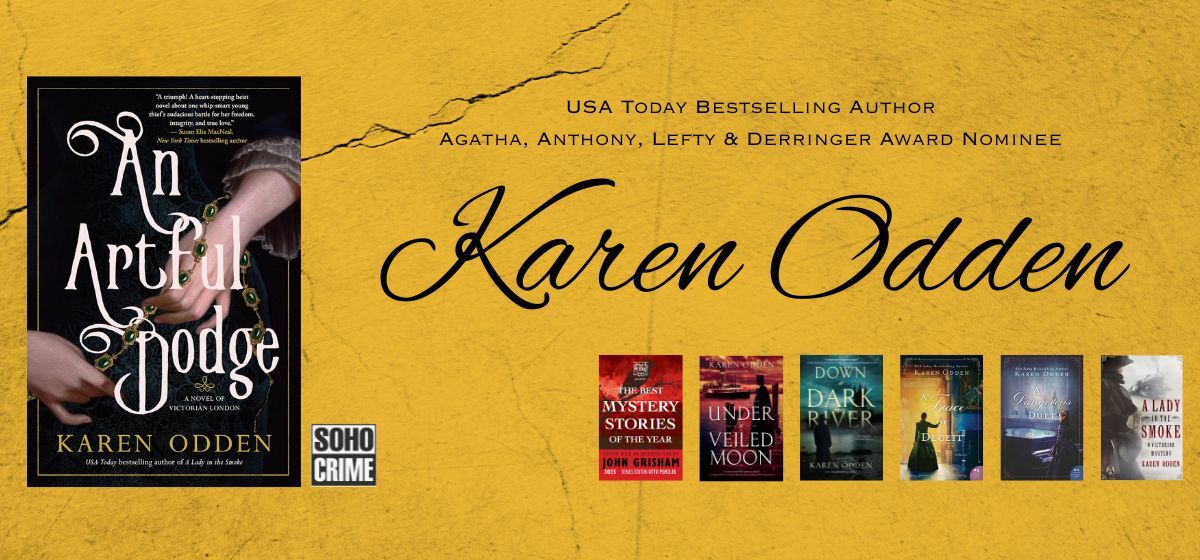
Inspired by Andre Louw & Brendan Flaherty
(Originally published on Substack/Murder is Everywhere on May 28, 2026)
Last week, Michael Sears invited Andre Louw to write a guest blog, where he shared the ups and downs and the 1600+ days’ journey from the initial inspiration – a dead body in a boat – to publication day for his debut, Phantom Pass. Andre described how he got 30 pages in and realized he hadn’t plotted the book; how he wrote at the margins of the day, sometimes until 2 a.m.; and how once he’d finished the manuscript, he was told no one would buy a debut that was 250,000 words long, and he had to cut the book into two.
So the roadblocks and challenges of a writing journey were on my mind.
That same night, I attended the May virtual (zoom) meeting of Desert Sleuths, my local chapter of Sisters in Crime. We always have a good speaker or panel (thank you, Kris Bock!), and this month, four authors spoke about writing from the viewpoints of multiple characters – the pros and cons of it. One participant was Brendan Flaherty, who I’d met on a panel at Bouchercon, where we were talking about point of view. (His first novel, The Dredge, is terrific, by the way. Crisp writing, good suspense, multiple narrators.)
I had invited Brendan to the panel, and after the zoom meeting, he sent a note thanking me. He closed the email: “AN ARTFUL DODGE is your 6th book?? That is amazing and impressive. Congratulations! What is the secret?”
I found myself chuckling a little. The secret of my success? Well, I gave it some thought, and I came up with these five tasks, from my own, personal experience. Some are hard to do, so good luck!!
1. Collect enough rejection emails that you could decoupage at least one wall in a medium-sized room in your house if you printed them out. (A powder room does not count.) This clever idea of using rejections to decoupage something is not mine, by the way; credit goes to Amy Stewart (bestselling novelist of the Girl Waits With Gun series), who tells a funny story about decoupaging a dresser, back when rejection letters came snail mail.
2. Be dumped by three publishing houses and orphaned by at least three editors. If possible, have an editor leave within six weeks of you signing your contract.
3. Have at least two manuscripts in a drawer, rejected by everyone. If you have time, completely rewrite one of them and have that rejected as well.
4. Find a publisher who will grimace at your next book idea (about women thieves in 1870s London) like you’ve just made him swallow sour milk.
5. Wait at least 3-1/2 years before your next book (about women thieves in 1870s London) comes out, with yet another, different publisher. Have people ask what took so long.
These are the secrets to my success. I hope they serve you well.
Okay, I’m joking a little, but not really. So here’s another story.
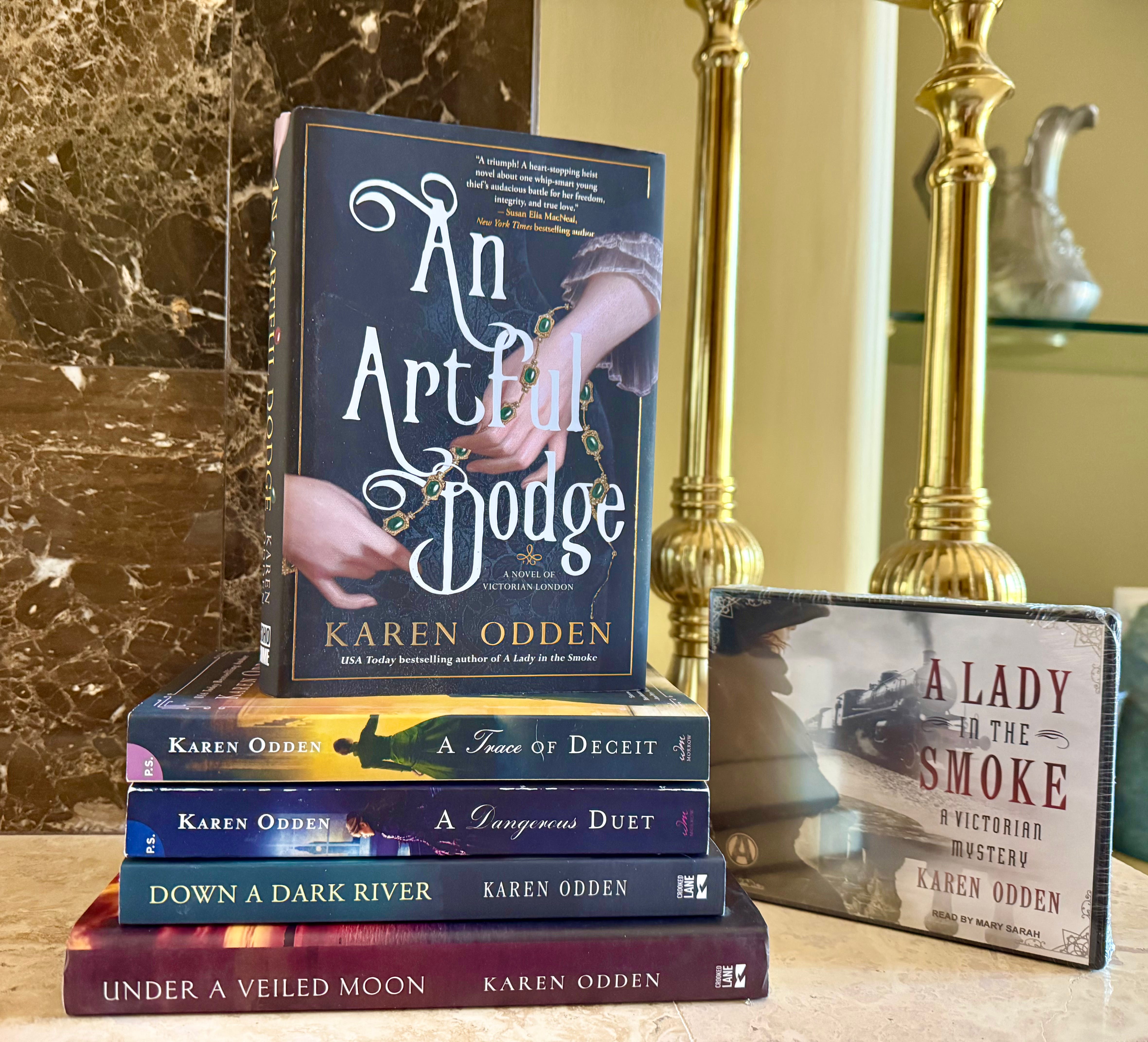
After my third book, A Trace of Deceit, was published, my editor at Harper Collins was gone (she’d left for her dream job) and I was let go. I didn’t really blame them; if you don’t have a champion in-house, it’s hard for a mid-list author to get marketing and gain traction. Despite some nice reviews, the book didn’t sell as well as they hoped. And I was miserable because my writing career was over.
Until one day, my agent called. To my memory, the call went something like this:
Josh: “What are you working on?”
Working on?
I reminded him: “Uh, I don’t have a publisher.”
Silence, and then a chuckle. “Oh, that’s okay. Write something new. What was that story you were telling me about? An inspector at Scotland Yard and some dead girls in boats? Something about revenge, wasn’t it?”
“Uh … yeah.”
Josh: “Write that. I can sell that.”
That idea eventually became Down a Dark River (2021).
(Note: I do think it is coincidental and funny that Andre and I both have dead bodies in boats! We were also both around 50 years of age when our first books were published.)
Here’s one last story. I once saw an interview with Jeff Bridges. (I’ve always been a fan.) The interviewer asked him how he stayed married in Hollywood. He replied, with a shrug and his gravelly drawl, “Well … we don’t get divorced.”
The simplicity of it struck me and stuck with me. And if I have learned anything over the past 12 years – for it has been 12 years since I found my agent, 10 since my first book because it took a while to find a publisher – it is simply, I don’t quit writing. I cultivate a mulish stubbornness. I take failures and setbacks as a natural, normal part of the journey. Because it’s the rare author who rockets to the top on the first try. (There are some, yes.) Talk to enough authors, and I’ll bet many will tell you stories about how they nearly quit but didn’t.
Authors: True or false?